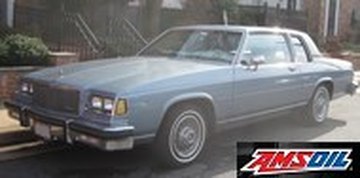
1980 Buick LESABRE Oil Change and Maintenance Guide
ABOUT THIS VEHICLE AND ENGINE
The 1980 Buick LESABRE represents a period of automotive design focused on full-size comfort and traditional styling. This specific model is equipped with a 4.1L engine, a displacement that places it within the larger engine families utilized by General Motors during this era. Maintaining a vehicle of this age requires an understanding of its mechanical requirements and a commitment to regular inspection of all fluid systems.
As a full-size sedan from the turn of the decade, the LESABRE is designed for steady operation. Proper 1980 Buick LESABRE maintenance ensures that the engine components remain protected against the natural wear associated with long-term vehicle ownership and the mechanical stresses of internal combustion.
CHOOSING ENGINE OIL
Selecting the correct lubricant is a fundamental aspect of Buick LESABRE engine oil maintenance. Because different formulations offer varying levels of protection, it is important to choose an oil that aligns with the current condition of your engine. When selecting a product, consider the following options:
- Conventional Oil: A standard petroleum-based lubricant suitable for many older engine designs.
- Synthetic and Synthetic Blends: These formulations often provide enhanced thermal stability and better resistance to oxidation compared to conventional oils.
- High-Mileage Formulations: Some high-mileage oil formulations contain additives intended for use in aging engines, including seal-conditioning additives that may assist in maintaining the integrity of older components.
Regardless of the type you choose, always ensure the product meets the appropriate API certification for service. Most importantly, match the engine oil to the application-specific viscosity information shown above on this page. Do not select a viscosity based on general knowledge; follow the specific guidance provided in the application data for your 4.1L engine.
WHY ENGINE OIL MAINTENANCE MATTERS
Engine oil serves several critical functions that are vital to the longevity of any internal combustion engine. Primarily, it provides lubrication to reduce friction between moving parts. Without adequate lubrication, metal-on-metal contact can lead to rapid wear and potential component failure.
Beyond simple lubrication, engine oil plays a significant role in heat management by helping to dissipate thermal energy away from high-friction areas. It also acts as a cleaning agent, helping to suspend contaminants and prevent the buildup of sludge and deposits that can restrict fluid flow or clog internal passages. Regular changes help maintain consistent oil pressure and ensure that the engine remains protected during both cold starts and sustained operation.
AGE-RELATED MAINTENANCE
Owning a vehicle from 1980 necessitates a more proactive approach to inspection. As rubber and metal components age, they can become more susceptible to environmental factors and mechanical stress. When performing 1980 Buick LESABRE maintenance, consider inspecting the following areas:
- Gaskets and Seals: Inspect various gaskets and seals for signs of age-related seepage or leakage.
- Hoses and Belts: Check all accessible hoses for cracking or softening, and inspect any drive belts for glazing, fraying, or deterioration.
- Cooling System: Monitor the condition of the cooling system to prevent overheating issues.
- Electrical Connections: Inspect wiring and connectors for signs of corrosion or brittle insulation.
- Air Filtration: Ensure the air filtration system is clean to prevent debris from entering the engine intake.
WHAT TO INSPECT DURING AN OIL CHANGE
An oil change provides an ideal opportunity to perform a broader visual inspection of the engine compartment. During your next 1980 Buick LESABRE oil change, you should examine several key areas to identify potential issues before they escalate:
- Sealing Areas: Check the oil-filter sealing area and the condition of the drain plug and its sealing washer.
- Leak Detection: Look for any evidence of active leaks or heavy residue around accessible gaskets and seals.
- Fluid Integrity: Observe the appearance of the old oil; abnormal color or texture can be an indicator of internal engine health.
- Peripheral Components: Inspect the condition of drive belts, cooling hoses, and electrical wiring that are easily accessible during the service.
OIL-RELATED WARNING SIGNS
While many maintenance needs are discovered through scheduled service, certain symptoms warrant immediate investigation. If you notice any of the following, it may indicate a need for professional diagnostic attention:
- Unexplained Oil Loss: A sudden or consistent drop in oil levels without a visible source can be concerning.
- Visible Leakage: Puddles under the vehicle or heavy staining on engine components should be investigated.
- Burning Odors: An odor that suggests oil is contacting a hot surface may indicate a leak from a gasket or seal.
- Unusual Engine Noise: Changes in the sound of the engine can sometimes be associated with lubrication issues.
- Abnormal Oil Appearance: If the oil appears excessively dark, gritty, or contains visible metallic contamination, it should be addressed immediately.
Please note that these symptoms can have multiple causes; a single sign does not automatically confirm the failure of one specific component.
VEHICLE HISTORY AND LONG-TERM OWNERSHIP
For long-term owners of a 1980 Buick LESABRE, maintaining detailed service records is highly beneficial. Documentation of previous repairs and regular maintenance helps in tracking the health of the vehicle over decades. When managing an older vehicle, it is practical to be aware of age-sensitive rubber components and the overall condition of the cooling system. Verifying that replacement parts are compatible with this specific 4.1L engine application is essential for maintaining the integrity of the vehicle's original mechanical design.
MAINTAINING AN OLDER 1980 BUICK LESABRE
Preventative inspection becomes increasingly important as a vehicle reaches higher mileage and greater age. Rather than waiting for a component to fail, regular checks of the service history, cooling system, and ignition components can help prevent unexpected downtime. Paying close attention to signs of neglected maintenance—such as heavily soiled engine components or degraded hoses—can assist in preserving the operational life of your Buick.
BUYING ENGINE OIL FOR THE 1980 BUICK LESABRE 4.1L
When purchasing oil for your vehicle, prioritize reputable brands that meet the appropriate API certifications. Whether you choose a conventional oil or a modern synthetic/synthetic blend, ensure the product is compatible with your specific engine requirements. For engines showing significant age, high-mileage formulations may be an appropriate choice due to their specialized additive packages.
Always match the engine oil to the application-specific viscosity information already displayed on this page. It is vital to select a lubricant that matches the exact vehicle and engine application to ensure proper protection and performance for your 1980 Buick LESABRE.